Languages
Python, Node.js (TypeScript), Java, C# (.NET Core), Go, Rust

Custom Development
Off-the-shelf software fits the average business—but for anything more complex, it creates gaps, forces compromises, and costs more than the value it delivers

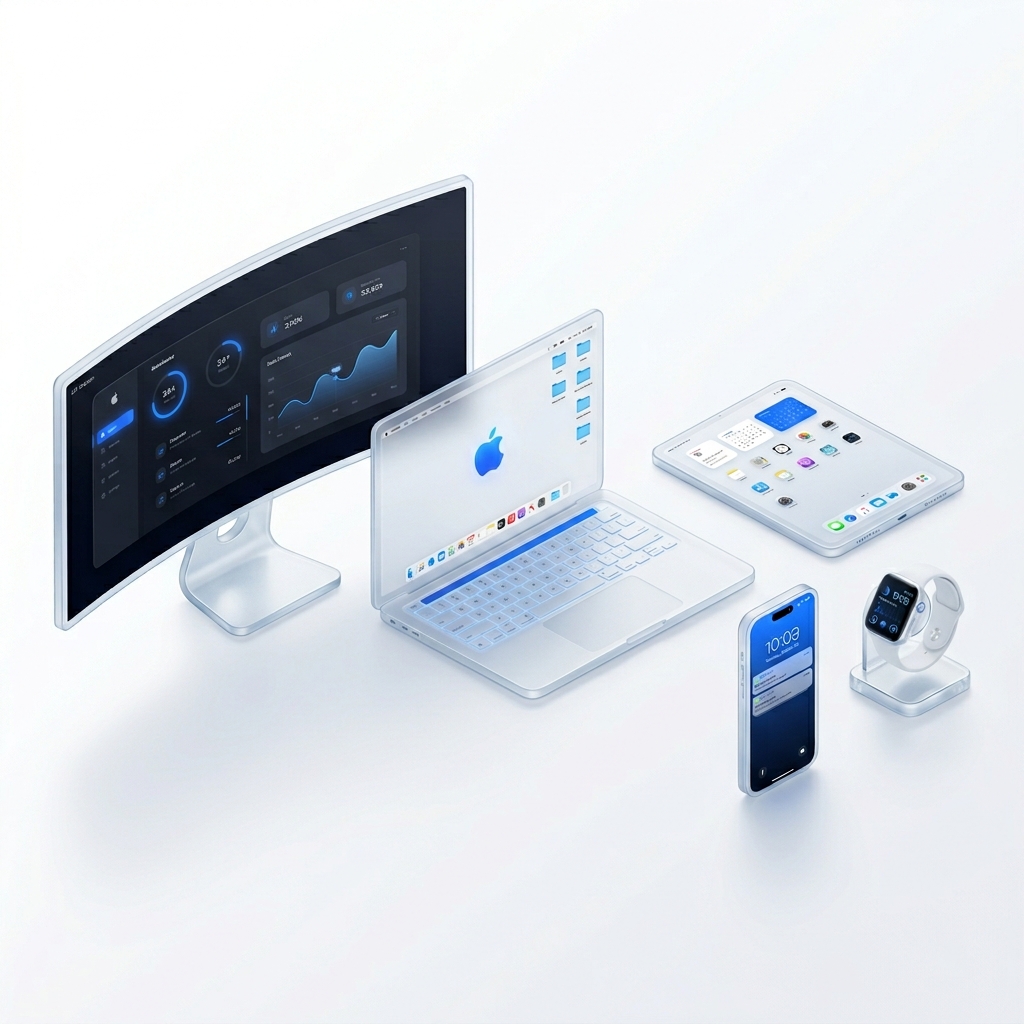
The global custom software development market is valued at approximately $53 billion in 2025 and growing at over 20% annually — driven by enterprises that recognise generic platforms cannot deliver the operational precision, security posture, and integration depth modern businesses require.
Custom software is the right decision when your workflows are differentiated, your compliance obligations are non-negotiable, your data architecture is complex, or your growth trajectory will outpace what any SaaS subscription can accommodate. It is not just a technology choice — it is a competitive positioning decision.
We deliver end-to-end software engineering across the full development lifecycle:
01
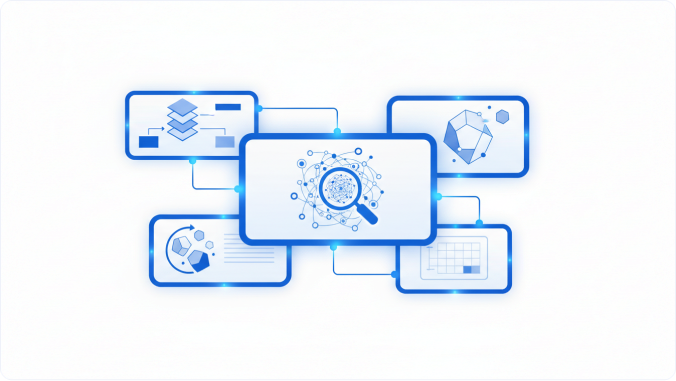
Before a single line of code is written, we conduct structured discovery: requirements engineering, technical feasibility assessment, system architecture design, data modelling, and API contract definition. We produce a Software Requirements Specification (SRS) and architecture blueprint that eliminates ambiguity and prevents costly scope changes mid-delivery.
02
Full-cycle development of complex, multi-user enterprise applications — including ERP systems, CRM platforms, supply chain management tools, HR and workforce systems, and financial management platforms. Built on microservices or modular monolith architecture depending on your scale requirements, with multi-tenant support, role-based access control (RBAC), and audit logging as standard.
03
End-to-end engineering of Software-as-a-Service products — from multi-tenant data isolation and subscription billing infrastructure (Stripe, Paddle) to usage metering, feature flagging, and CI/CD-enabled rapid release cycles. We build SaaS platforms designed to onboard customers fast, scale horizontally under load, and iterate continuously based on usage data.
04
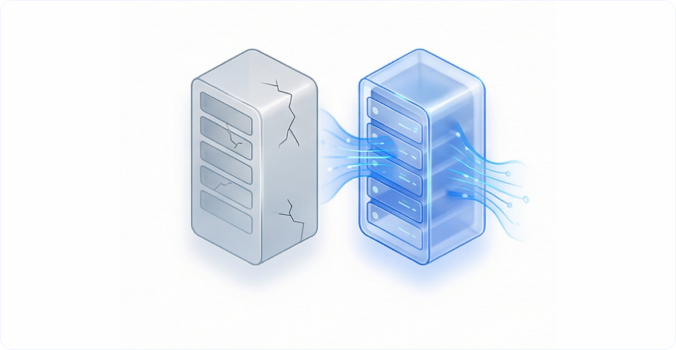
Assessment, re-architecture, and modernisation of legacy codebases and monolithic systems. We apply strangler-fig migration patterns, domain-driven design (DDD), and incremental refactoring to modernise without rewriting from scratch — preserving business logic while eliminating technical debt, improving maintainability, and enabling cloud-native deployment.
05
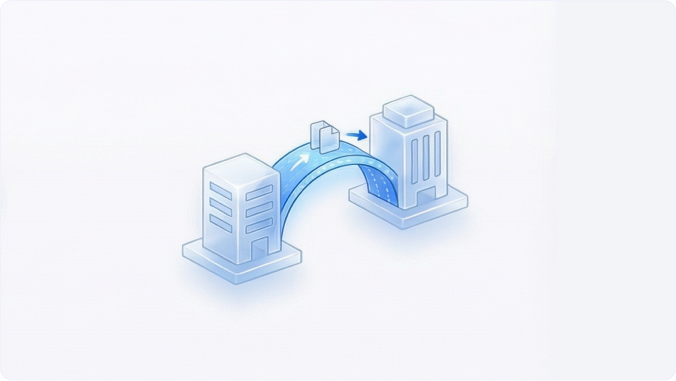
Design and implementation of RESTful and GraphQL APIs, event-driven integration using message brokers (Kafka, RabbitMQ), and middleware development for connecting disparate enterprise systems — ERP, CRM, data warehouses, payment gateways, and third-party platforms — into a coherent, real-time data architecture.
06
Comprehensive quality assurance embedded throughout the development lifecycle — not bolted on at the end. We implement automated unit, integration, and end-to-end test suites; performance and load testing; security penetration testing; and continuous quality gates within CI/CD pipelines. Every release is production-validated before it ships.

Engagement Model
Ideal for well-defined, bounded software deliverables

Discovery phase locks requirements, architecture, and timeline
Fixed price with milestone-based delivery and payment
Full IP ownership and source code transfer on completion
Suitable for MVPs, standalone tools, and defined feature builds

Engagement Model
Embedded TecBrix engineers working as part of your team
Full control over sprint planning, priorities, and backlog
Scales up or down based on delivery demand
Ideal for ongoing product development and platform evolution
Senior-led teams: architects, engineers, QA, and DevOps
We are engineers first. Every engagement starts with a rigorous discovery and architecture phase — because software that is designed correctly costs less to build, less to maintain, and performs better at scale. We do not start coding until the architecture is right.

HIPAA, GDPR, PCI-DSS, SOC 2, and ISO 27001 controls built into architecture — not retrofitted post-launch.

Containerised, auto-scaling, and infrastructure-as-code from day one — built to run on AWS, Azure, or GCP.

Agile sprints with bi-weekly demos, milestone tracking, and real-time project dashboards.

SRS and system design locked before development begins — eliminating mid-project scope ambiguity.

From database schema and API design to frontend, DevOps, and QA — one team, no handoff gaps.

OWASP standards, automated security scanning, and penetration testing before every production release.
